
⚠️ Last updated: June 26, 2026
CURRENT STATUS: As of 5:58 pm June 24, LAFD have officially declared a knockdown of the fire, meaning there are no active flames and no threat of fire spread. Debris within the structure continues to smolder as crews transition into the overhaul phase of operations.
Air quality continues to be impacted. Indoor precautions still strongly recommended.
Smoke + Biohazard Guidance
What is going on?
A warehouse fire at the Lineage Cold Storage Facility burned for 8 days inside the Lineage cold-storage facility that held roughly 85 million pounds of food at 1400 South Los Palos Street, Boyle Heights.
“Burning food” may not sound alarming, but the fire occurred in an enormous industrial building filled with insulation, packaging, plastics, refrigerants, steel, and millions of pounds of organic material.
That means two things are happening at the same time.
The fire itself was producing smoke and tiny particles that can affect air quality far beyond Boyle Heights.
As the food inside thaws and decomposes, it creates a new biological hazards.
1. The Fire is out but the risk is not gone.
3. Officials are also monitoring a growing biological hazard inside the building.
4. Staying indoors, using HEPA filtration, and wearing an N95 outdoors can meaningfully reduce exposure.
5. Free masks and air purifiers may be available through 211 and local nonprofits.
6. Recommendations may change as conditions inside the building evolve.
What’s in the air?
When something burns, it creates microscopic particles called PM2.5. These particles are about 30x times smaller than the width of a human hair. Because they’re so small, they can bypass many of the body’s normal defenses and travel deep into the lungs.
Think of them less like dust and more like smoke that becomes part of the air itself.
For most healthy adults, short-term exposure is unpleasant. For children, older adults, pregnant people, and anyone with asthma, COPD, heart disease, or other respiratory conditions, it can be much more serious.
Fortunately, exposure is something people can meaningfully reduce. Closing windows, using HEPA air purifiers, wearing N95 masks outdoors, and limiting strenuous activity can all make a real difference.
For health and safety updates as conditions change, sign up for our mailing list. We will be in touch.
Why Boyle Heights Is Especially Vulnerable
Boyle Heights has lived alongside major freeways and industrial facilities for generations. As a result, residents already experience higher rates of pollution and respiratory illness than many other communities in California.
That matters because this fire didn’t happen in a vacuum. It’s added to an existing health burden, which is one reason reducing contaminant exposure is especially important for children, older adults, pregnant people, and anyone with asthma or other respiratory conditions.

FREE MASKS AND AIR PURIFIERS
Residents affected by smoke may be able to receive free protective equipment.
Call or text 211
211 can help connect residents with:
Free N95 masks
HEPA air purifiers
Shelter information
Health resources
Local assistance programs
Councilmember Ysabel Jurado’s Office
Councilmember Jurado’s office has been distributing masks and air purifiers.
Phone: (323) 526-9332
Boyle Heights City Hall
Address: 2130 East 1st Street Los Angeles, CA 90033
Phone: (323) 526-9332
Residents should call ahead to confirm availability and pickup instructions.
FREE SOIL TESTING
If you are concerned about possible contaminants from smoke and ash in your yard, you can submit a sample to USC’s CLEAN project for free rapid-response soil testing.
Soil samples may be dropped off at Boyle Heights City Hall. Use caution if collecting your own soil samples - wear PPE & double-bag your sample. More instructions can be found here.
Who should
take extra precautions?
Not everyone experiences smoke or contaminant exposure the same way.
If you fall into one of these groups below, be cautious while smoke or odors are present.
Children
Children breathe more air relative to their body size than adults, and their lungs are still developing.
Older Adults
As we age, our bodies become less efficient at handling environmental stressors, making smoke exposure potentially more serious.
Pregnant People
Because pregnancy affects both the cardiovascular and respiratory systems, minimizing exposure is especially important.
People with asthma, COPD or other respiratory conditions
Smoke particles can aggravate existing conditions and trigger symptoms more quickly
People with heart disease
Fine particles don’t just affect the lungs. They can also place stress on the cardio vascular system
Outdoor workers
Construction workers, landscapers, delivery drivers, and anyone spending extended periods oustide may experience much greater cumulative exposure.
How do i choose an air
purifier?
-
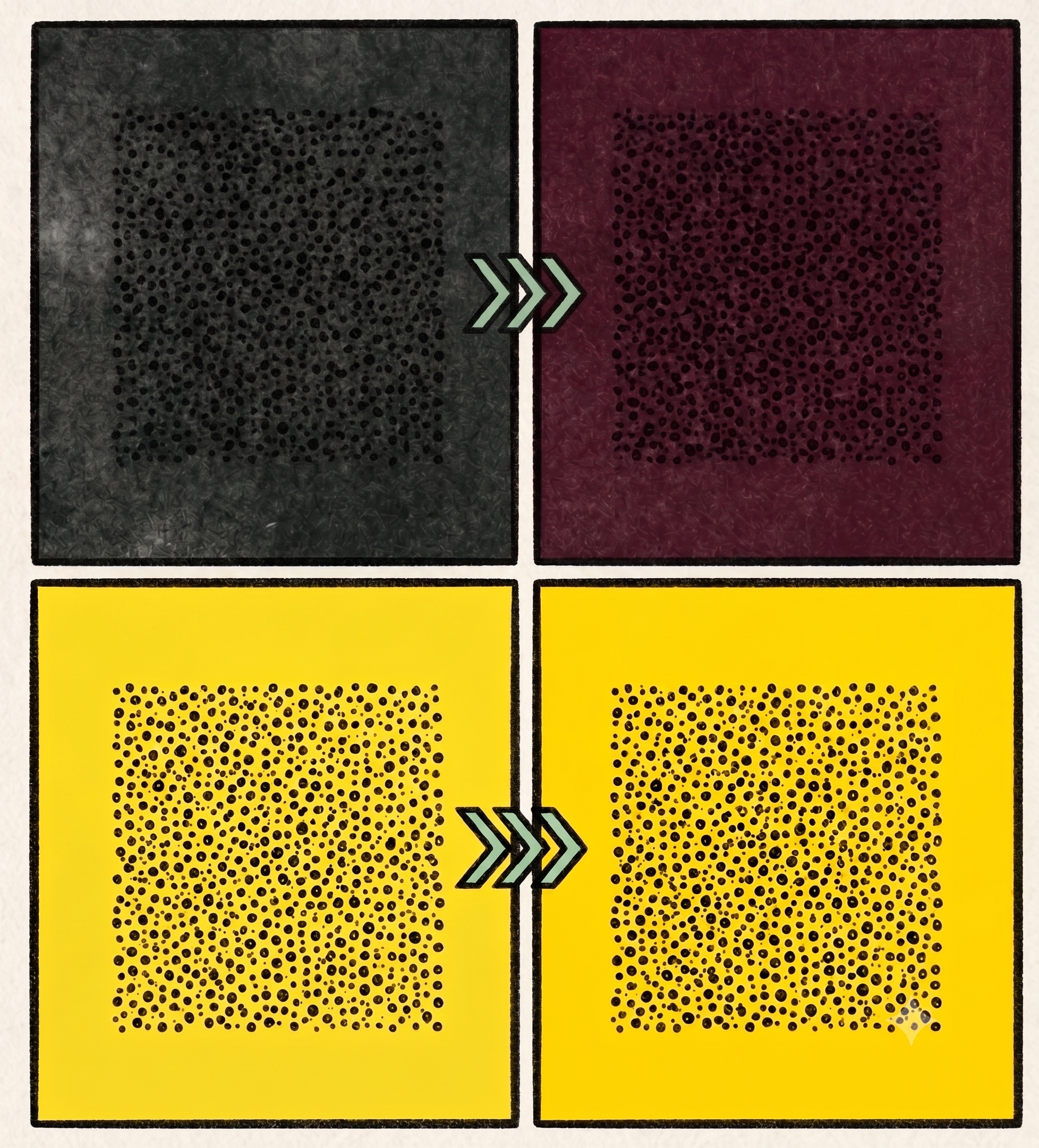
True HEPA filters are designed to capture very small particles, including the PM2.5 particles found in smoke.
-
CADR stands for Clean Air Delivery Rate. Higher numbers mean the purifier can clean more air, more quickly.
-
A bedroom and a large living room need different machines. Always check the square footage rating. It is recommended to have minimum one purifier per room.
-
Carbon filters can help reduce smoke smells and certain gases, but they do not replace HEPA level filtration.
-
A purifier only works if you leave it on. If you turn your machine off due to noise, it cannot clean the air around you. Sometimes, a slightly quieter machine can be beneficial because people are more likely to let it run continuously.
-
These products can create additional pollutants and are not generally recommended. You also don’t need extra bells and whistles that are typically marketing tactics.
If you’re only getting
one purifier, prioritize:
1. Bedrooms
We spend roughly one-third of our lives sleeping. Clean air here matters most.
2. Children’s rooms
Children breathe more air relative to their body size and are generally more vulnerable to smoke and contaminant exposure.
3. Rooms used by older adults or people with asthma
Keeping one room especially clean can provide meaningful relief.
4. The room where your family spends the most time
Usually, the living room or family room.
Helpful rule of thumb
Bigger is usually better.
Buying a purifier rated for a room larger than yours generally improves performance and allows you to run the machine at lower, quieter settings.
IMPORTANT
Run purifiers continuously while smoke or odors are present and while we wait for more information from the qualified scientists at our partner universities to get their test results back.
Keep doors and windows closed to prevent outdoor air from undoing the work your purifier is doing.
If you can only create one “clean room,” make it the room where vulnerable household members spend the most time.
Air purifier size calculator

Confused about what size air purifier to buy? Use this calculator.
mask & respirator guide
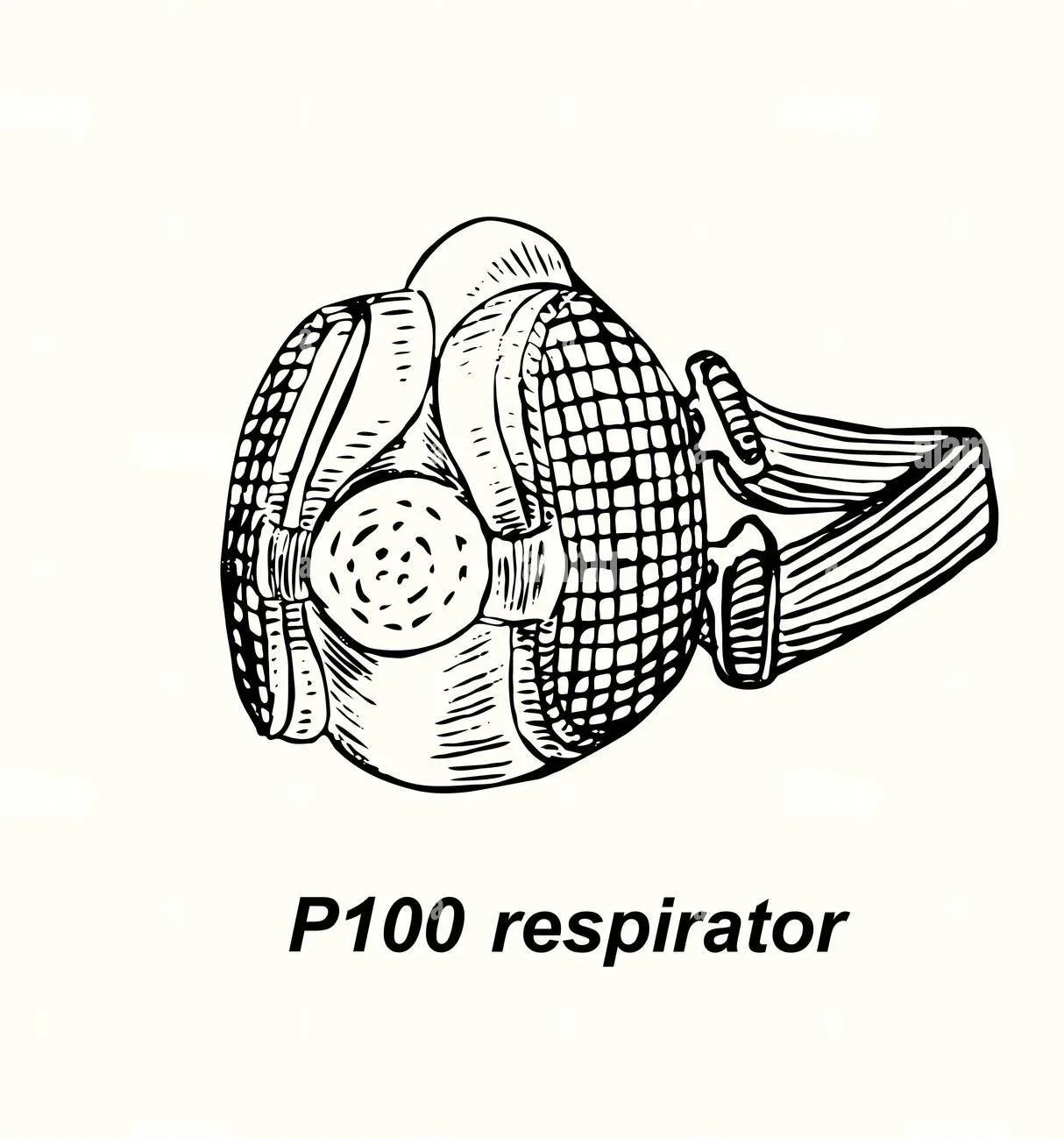
Unsure if you need a P100 or an N95? This guide can help.
“What can I do?”
Stay indoors and run HEPA air filtration at all times while the cleanup begins and is underway.
Keep doors/windows closed.
Run AC on recirculation.
Wear minimum N95 outdoors if you are in the affected area.
Avoid strenuous outdoor activity, like exercising.
Watch for coughing, chest tightness, shortness of breath, eye/throat irritation.
“SHOULD I LEAVE THE AREA?”
That’s dependent on your comfort, your health and your circumstance.
Staying indoors with closed windows and filtered air generally provides much greater protection than remaining outdoors.
People who may want to consider temporarily relocating include:
Individuals with severe asthma.
People with COPD.
Those undergoing cancer treatment.
People who are highly sensitive to smoke.
Families whose homes cannot be effectively sealed or filtered.
If you are struggling to breathe inside your home despite taking reasonable precautions, speak with your healthcare provider.
“WHAT ABOUT PETS?”
Pets are affected by smoke, too.
If the air bothers you, it may also bother them.
Consider:
Keeping pets indoors.
Limiting exercise during poor air quality.
Providing plenty of water.
Watching for coughing, wheezing, unusual fatigue, or eye irritation.
If symptoms develop, contact your veterinarian.
What Is PostFire?
PostFire is a not-for-profit platform founded by Eaton total loss survivors. We provide step-by-step guidance to wildfire recovery, guided by experts, for free.
If you would like to support our work you can donate here.